
Automating AI Training Data Environments Rubrics Rewards
Telling models what to learn, not how to learn.
Get In TouchThe world has stopped hand-designing features but is still hand-designing training.
At hiddenweights, we think human expertise is still wasted on the wrong parts of AI training. The data, environments, rubrics, and reward signals that power model training are all hand-crafted from scratch for every new task. Compute and raw intelligence continue to grow, but the amount of supervision, data, and talent in the world does not.
We are replacing hand-crafted AI training with learned systems. This means building the synthesis layer for AI: learned systems that automatically synthesize data, environments, rubrics, and every other part of training. That means starting with a target capability, and automating data mixing, curriculum design, simulator construction, reward modeling, and anything else required to train for it.
The end state of this technology is a system that turns a target capability into AI, moving humans from designing how models learn to deciding what models learn.
At the core of this vision is a fundamental research agenda. Our bet is on parameterizing and optimizing the entire process of model training—treating synthetic data generation the same as hyperparameter tuning the same as RL environment design. The only (big!) question is finding the optimal way to parameterize and search over this vast space.
We couple this research with real deployments that give us the signal and iteration speed to prove the research works.
If this sounds like a problem you care about, come talk to us: join the team or join our group of early customers and design partners ranging from hyperscalers to AI-native startups.
Our Team

Built by a proven team of AI researchers, engineers, and leaders across industry and academia.
-
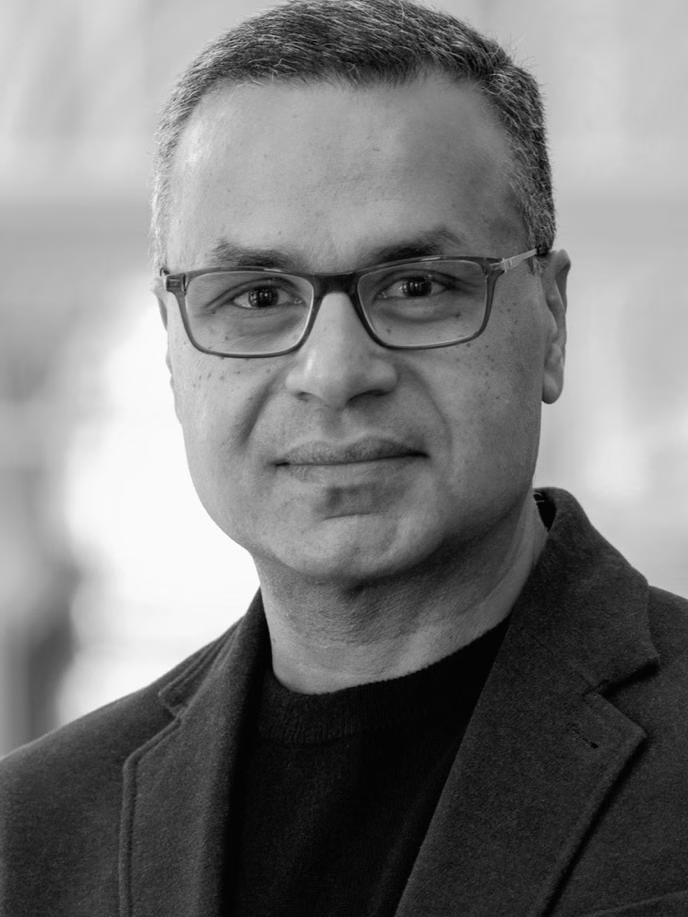
Ihab Ilyas, PhDCo-founder + CEO
University of Waterloo Professor, former director / distinguished engineer at Apple, co-founder of Tamr and inductiv. Fellow of the Royal Society of Canada, ACM, and IEEE.
-
-

Justin Levandoski, PhDCo-founder + CTO
Former director of engineering at Google, principal engineer at AWS, and researcher at Microsoft Research.
-
-

Andrew Ilyas, PhDCo-founder + Chief Scientist
CMU Professor, former MIT PhD (Sprowls thesis award winner) and Stein Fellow at Stanford.
-


-
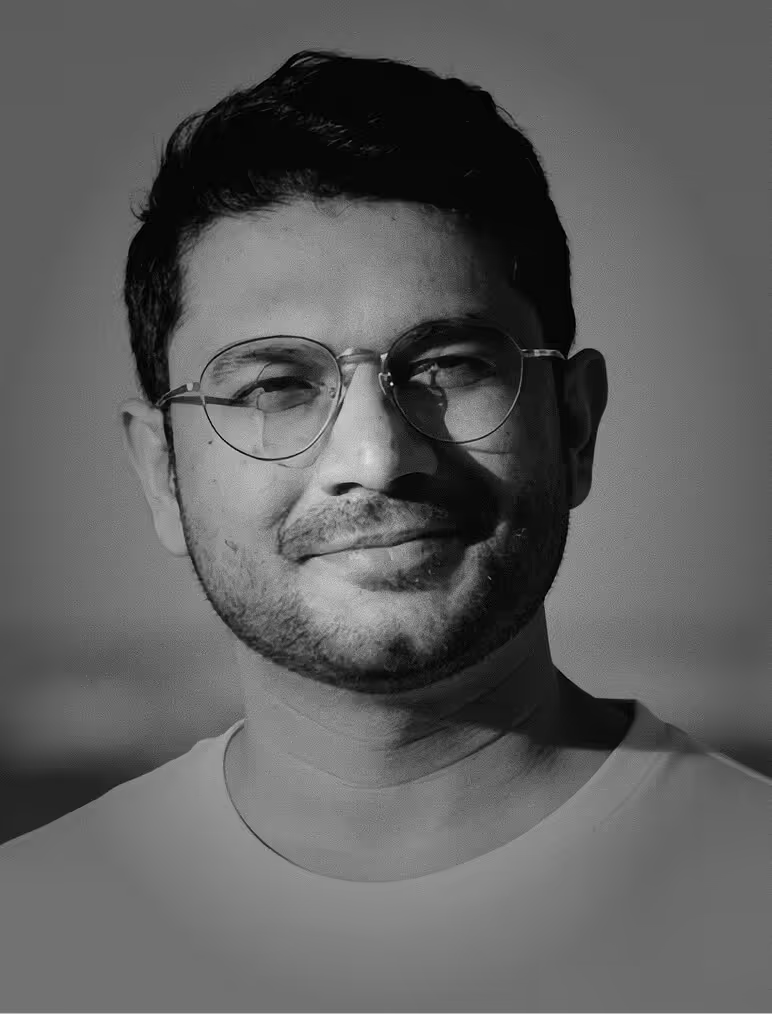
Abhinav Agrawal, PhDMember of Technical Staff
-
-
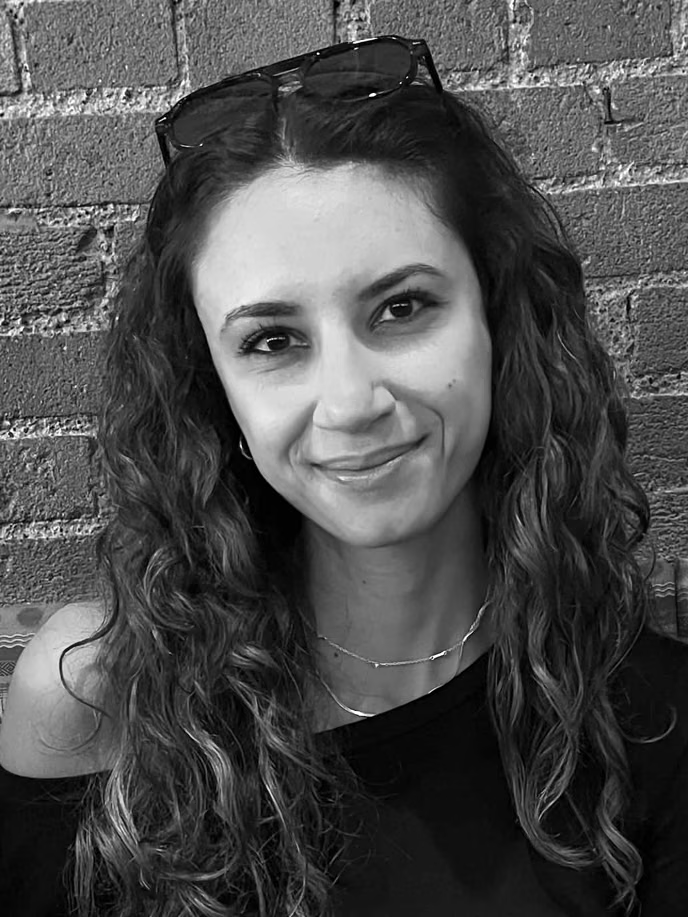
Anna Bair, PhDMember of Technical Staff
-
-

George Beskales, PhDMember of Technical Staff
-
-
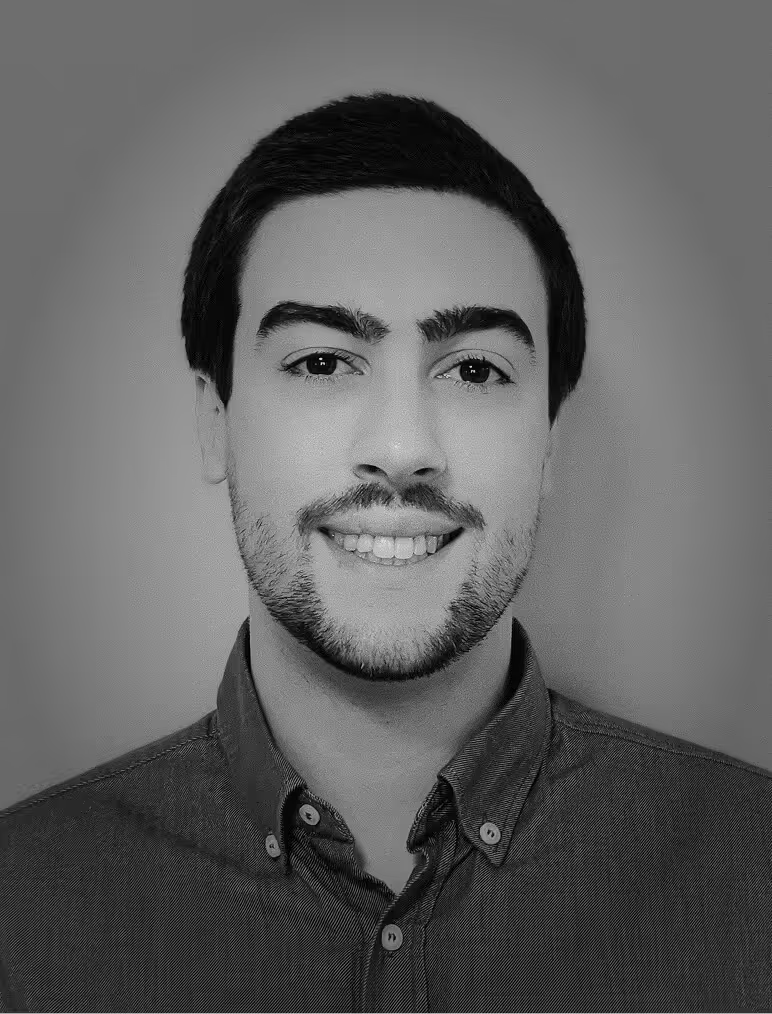
Ryan Clancy, MMathMember of Technical Staff
-
-
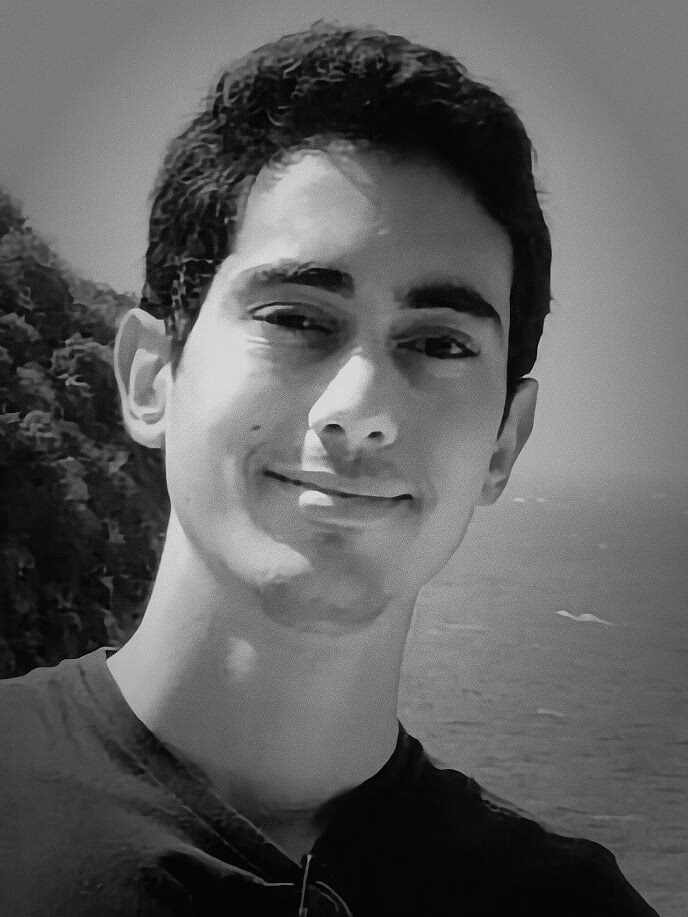
Hedi Driss, MScMember of Technical Staff
-
-
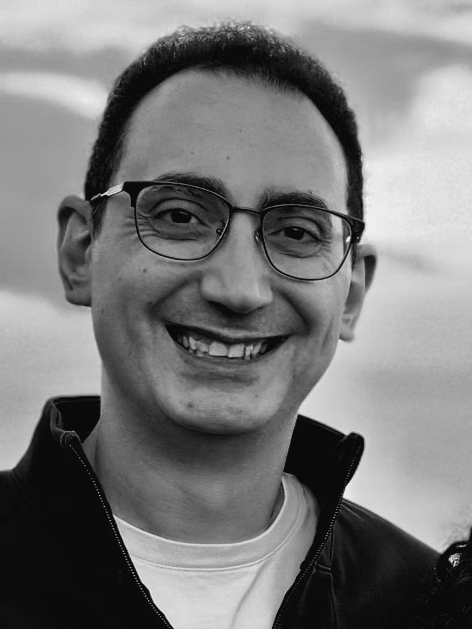
Mina Farid, PhDMember of Technical Staff
-
-
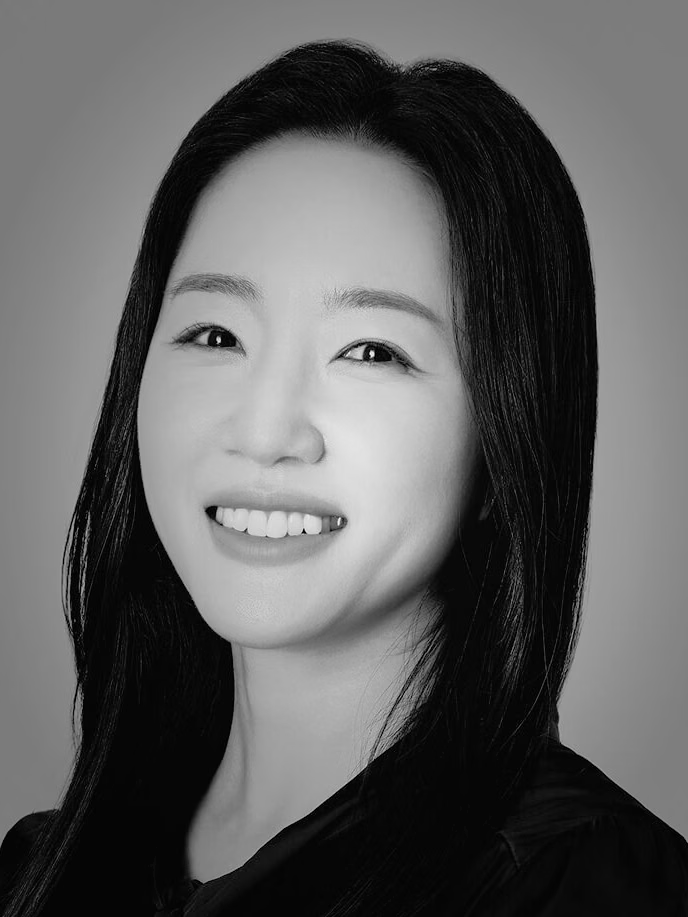
Yejin Huh, PhDMember of Technical Staff
-
-
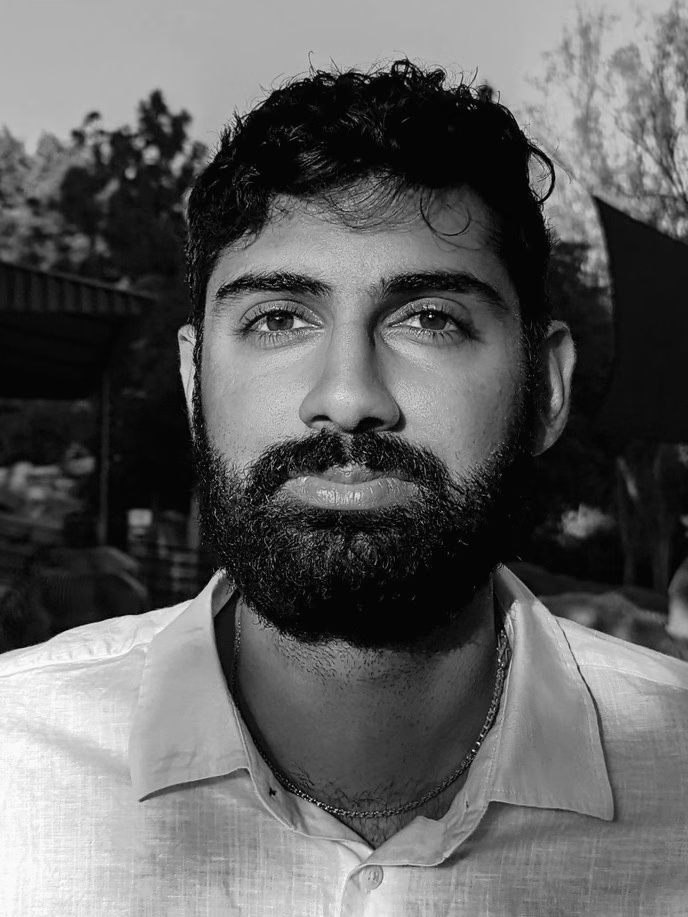
Justin Kang, PhDMember of Technical Staff
-
-
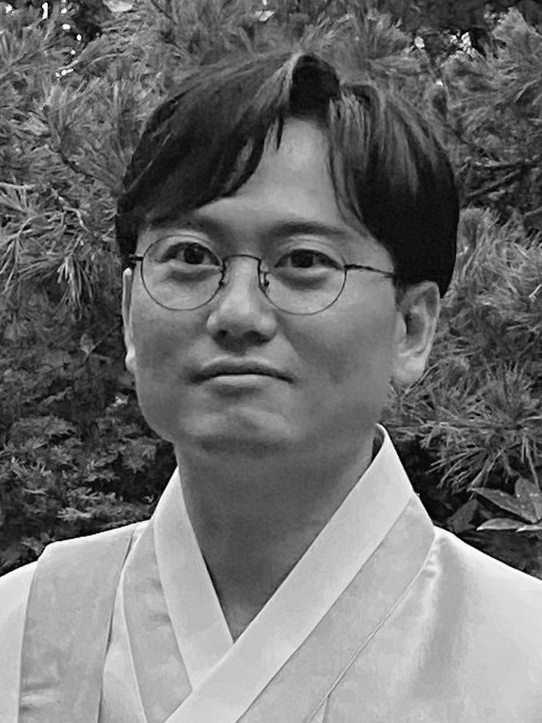
Junhyun Lee, PhDMember of Technical Staff
-
-
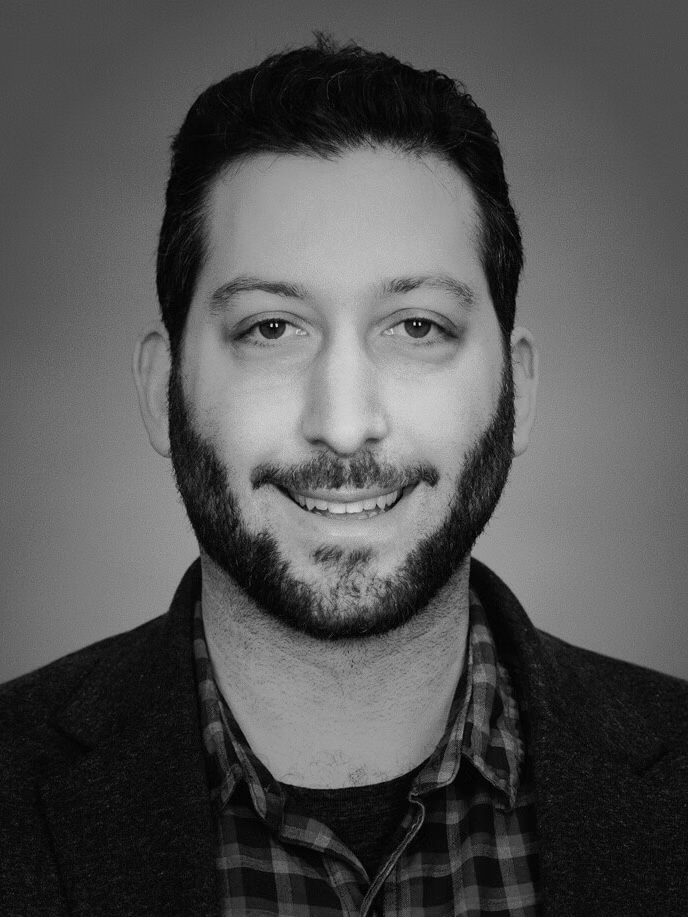
Ethan Peck, PhDMember of Technical Staff
-
-
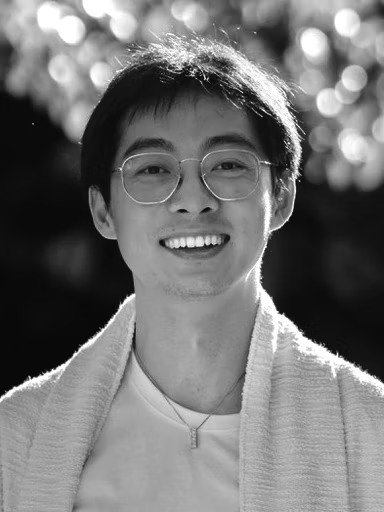
Zhihan Zhang, MSMember of Technical Staff
-